
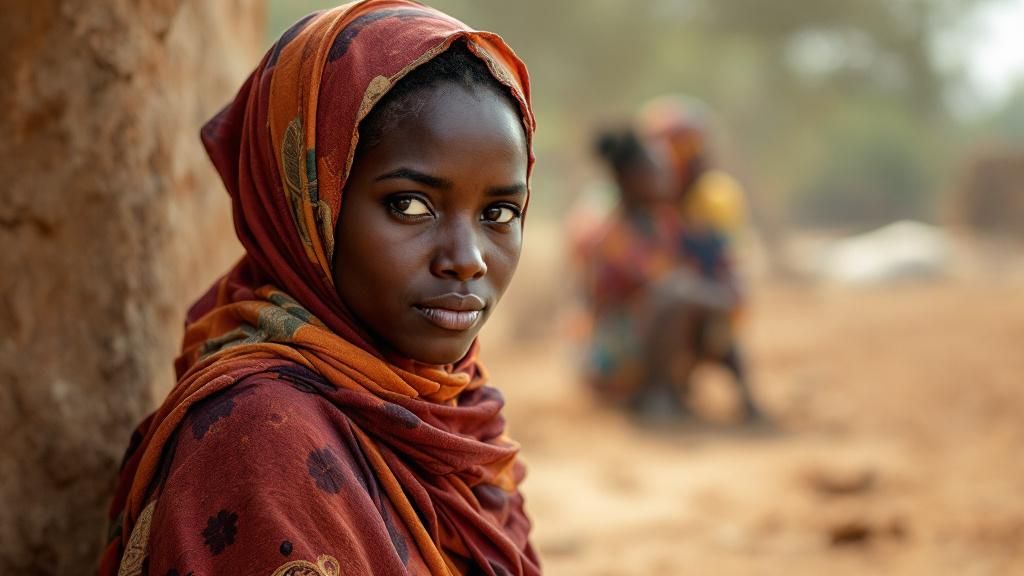
Sub-Saharan Africa faces an extraordinary human crisis, with millions of vulnerable populations trapped in spiralling patterns of hardship, illness, and forced migration. Driven by conflict, climate change, and economic collapse, this crisis endangers whole populations and stretches beyond capacity severely weakened medical and nutritional infrastructure. This article examines the multifaceted dimensions of this crisis, investigating its root causes, profound human cost, and the global intervention initiatives underway to tackle this urgent crisis impacting the region’s most excluded communities.
The Magnitude of the Crisis
The humanitarian crisis unfolding across Sub-Saharan Africa has attained unprecedented proportions, with an projected 282 million people presently experiencing acute food insecurity. This staggering figure constitutes a substantial rise from prior years, reflecting the cumulative impact of sustained warfare, devastating droughts, and economic deterioration. Entire regions have turned inaccessible to humanitarian organisations, leaving at-risk communities—especially children, elderly persons, and those with impairments—without access to essential aid, safe drinking water, and medical assistance.
The crisis manifests across various interconnected dimensions, creating a perfect storm of suffering. Malnutrition rates have risen to concerning levels, with child mortality climbing sharply in impacted regions. Simultaneously, disease epidemics such as cholera and measles propagate quickly through overcrowded displacement camps where sanitation proves severely deficient. Healthcare infrastructure, already critically stretched, keeps deteriorating as healthcare workers abandon affected areas, depriving communities wholly without of essential healthcare and urgent medical assistance.
Drivers of the Humanitarian Emergency
The humanitarian emergency affecting Sub-Saharan Africa results from a complex interplay of related causes that have accumulated over several decades. Armed conflict, particularly in areas including South Sudan, Somalia, and the Democratic Republic of Congo, has forced millions from their homes and damaged critical services. At the same time, environmental shifts has intensified prolonged dry periods and erratic weather, severely impacting crop production and pastoral livelihoods. Economic mismanagement, coupled with declining commodity prices and decreased external funding, has further weakened state ability to deliver essential services and social safety nets to vulnerable populations.
Exacerbating these structural challenges are deep-rooted gaps in healthcare infrastructure, education systems, and governance frameworks that render communities unprepared to respond to emergencies. Malnutrition rates have surged, particularly among young people, whilst disease outbreaks spread rapidly through densely populated displacement camps and urban settlements. The intersection of multiple crises has created a perfect storm: communities facing simultaneous threats from violence, hunger, illness, and environmental degradation lack adequate resources and assistance systems necessary for survival. Without urgent intervention, these drivers will sustain cycles of suffering and vulnerability across the region.
Effects on Vulnerable Communities
The humanitarian emergency in Sub-Saharan Africa disproportionately affects the most vulnerable groups, including children, women, and displaced persons. These communities face compounded challenges as longstanding disparities are exacerbated by conflict, displacement, and resource scarcity. Insufficient access to safe water, sanitation facilities, healthcare, and schooling generates interconnected health emergencies. Marginalised communities encounter difficulties accessing humanitarian aid due to geographic isolation, insecurity, and systemic barriers, leaving millions in desperate circumstances necessitating prompt international support and engagement.
Young People and Poor Nutrition
Child malnutrition has reached critical levels across Sub-Saharan Africa, with countless children suffering from both acute and long-term inadequate nutrition. Sustained conflict impede food systems systems, whilst climate-induced droughts destroy agricultural yields. Limited healthcare access blocks timely treatment in dietary inadequacies, resulting in unnecessary mortality and developmental disorders. Malnutrition undermines the immune function of children, raising vulnerability to communicable illnesses such as malaria, cholera, and lung diseases. In the absence of immediate aid, a whole cohort of young people faces impaired growth and mental development.
The emotional toll of inadequate nutrition extends beyond bodily wellbeing, influencing children’s emotional wellbeing and learning results. Profoundly malnourished children exhibit delayed development, diminished mental capacity, and compromised educational ability. Learning institutions stay closed in conflict zones, preventing access to children critical feeding initiatives and schooling provision. Families struggle to afford additional nutrition, forcing impossible choices between purchasing food and obtaining healthcare. Relief organisations highlight troubling surges in severe acute malnutrition cases, particularly amongst children below five years of age.
- Acute malnutrition affects approximately forty million children throughout the area.
- Stunting rates go beyond 40% in several Sub-Saharan countries.
- Malaria and diarrhoea worsen nutritional deficiencies substantially.
- School feeding programmes deliver essential nutritional assistance for disadvantaged children.
- Emergency food aid necessitates ongoing international investment and capacity.
Worldwide Response and Future Prospects
The worldwide community has mobilised considerable resources to address the humanitarian disaster in Sub-Saharan Africa, with the United Nations, World Health Organisation, and many non-governmental organisations distributing emergency assistance across impacted areas. However, present funding amounts remain substantially below what humanitarian agencies deem essential to address the magnitude of need. Aid-providing nations and multilateral institutions must substantially raise monetary contributions whilst simultaneously addressing the underlying causes of instability. Cooperation among international organisations and national governments remains essential for making certain aid reaches the most vulnerable populations effectively and efficiently.
Looking forward, the trajectory of this crisis hinges on continued global cooperation and sustained funding in sustainable development. Building resilient healthcare systems, reinforcing food supply systems, and supporting peacebuilding efforts are essential for averting further deterioration. The global community must reconcile immediate humanitarian relief with broad-based approaches addressing resolving conflict, adapting to climate change, and economic development. In the absence of decisive action and substantial resource allocation, Sub-Saharan Africa confronts the risk of worsening humanitarian crisis, demanding ever-more expensive responses whilst vulnerable populations suffer preventable suffering.
